Built a Web UI for Claude Code Because Not Everyone Lives in the Terminal
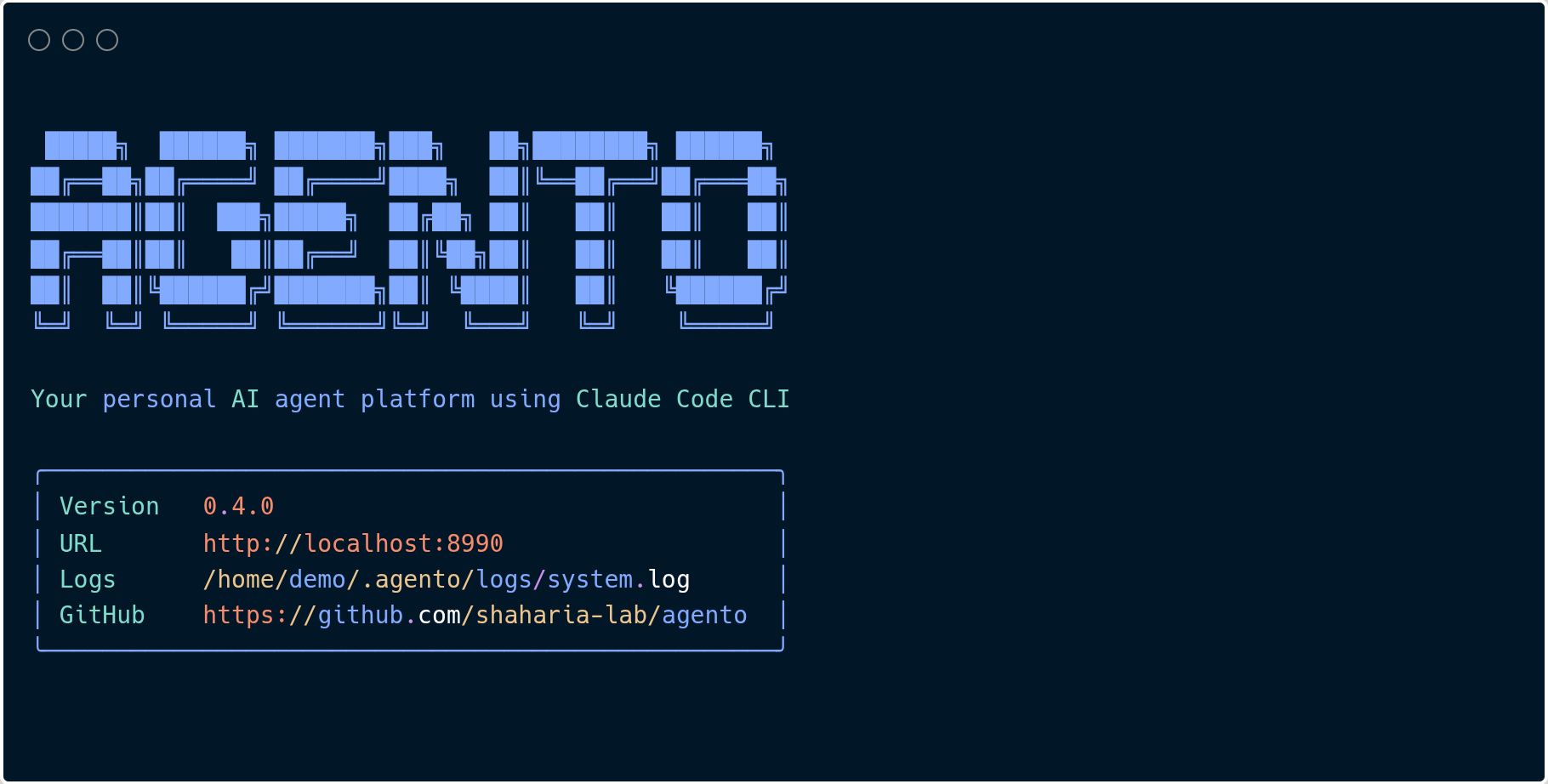
Agento is a free, open-source web UI for Claude Code that lets you build AI agents, schedule automated tasks, and track your AI productivity, all without touching a terminal.
Platform engineering, Go, DevOps, and applied AI.
Agento is a free, open-source web UI for Claude Code that lets you build AI agents, schedule automated tasks, and track your AI productivity, all without touching a terminal.
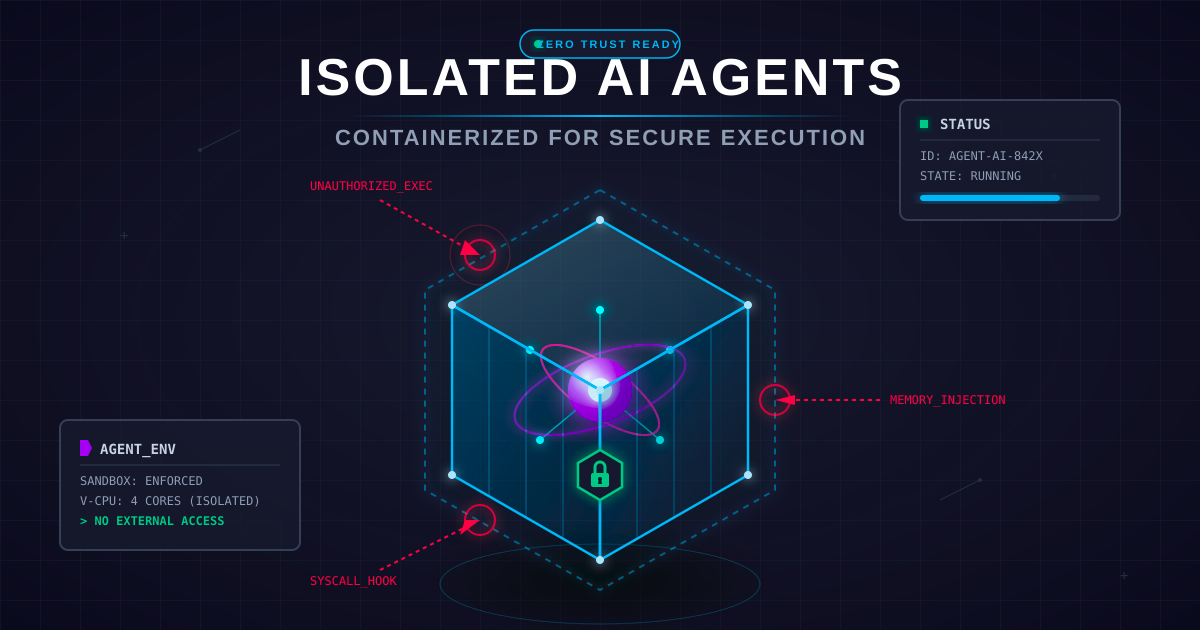
How to run Claude Code CLI inside a Docker container with a Squid proxy that only allows traffic to specific domains. Full setup with docker-compose, OAuth credential forwarding, and parallel agent support.
A deterministic, CI/CD-ready framework for measuring how accurately AI agents follow complex, multi-step workflow instructions. Features a three-tier hybrid evaluation engine, progressive scoring, and dual-metric reporting.
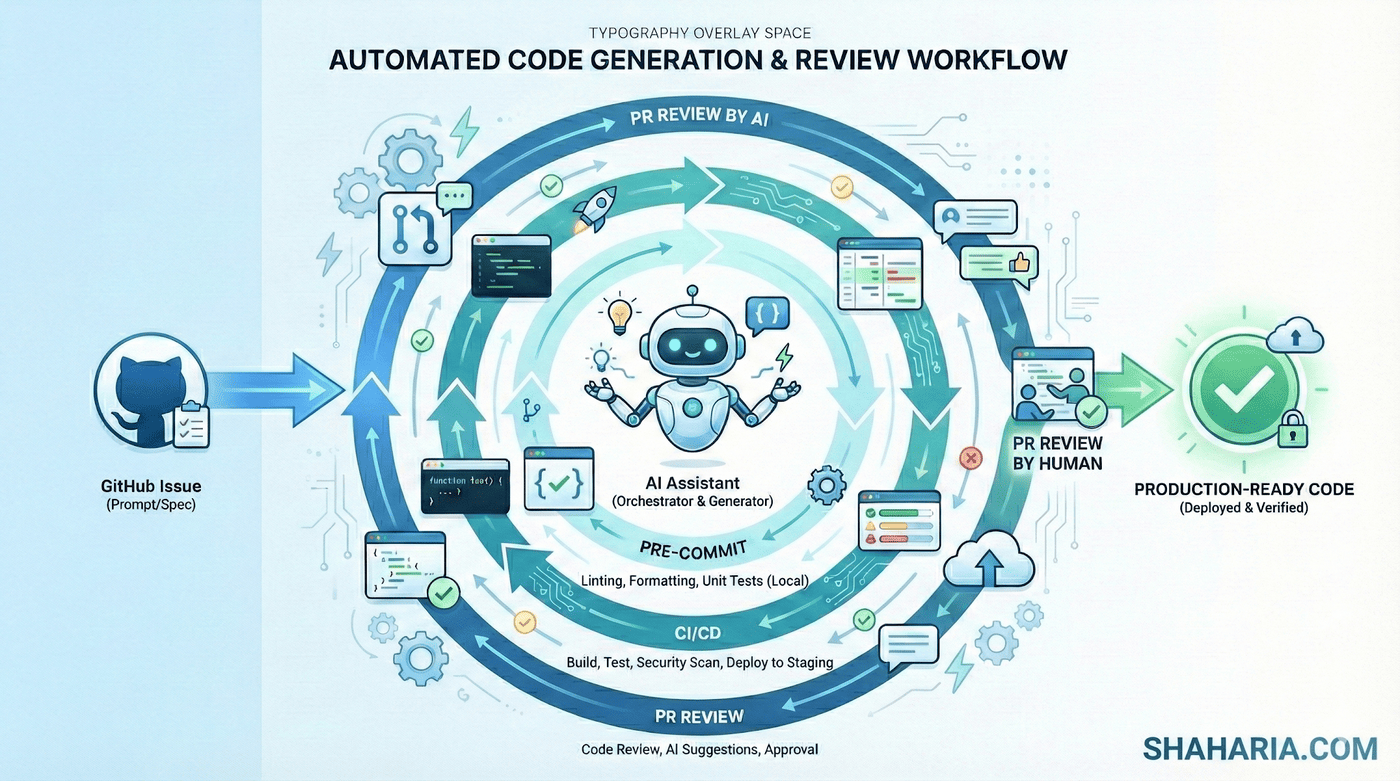
How I automated production-ready code generation from GitHub issues using Claude Code CLI with continuous feedback loops through pre-commit hooks, CI/CD, and PR reviews—achieving 90%+ merge-ready code in ~40 minutes.
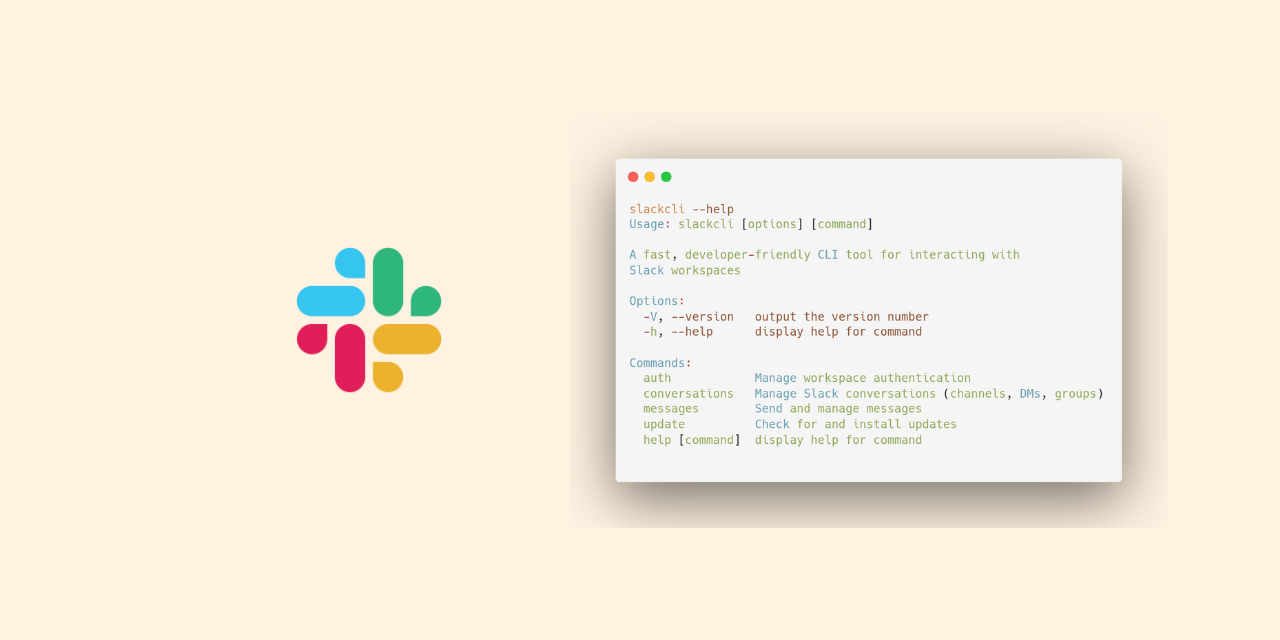
SlackCLI is a fast, developer-friendly command-line tool for interacting with Slack workspaces. Built with TypeScript and Bun, it enables AI agents, automation tools, and developers to access Slack without context switching.
Learn how to use Slack browser session tokens (xoxd/xoxc) with the official Go SDK to interact with Slack APIs without creating a Slack app. Perfect for personal automation and quick prototyping.
A comprehensive framework to determine if your software project is ready for AI development agents integration. Provides criteria, quality gates, and readiness assessment to ensure AI enhances productivity without creating technical debt.
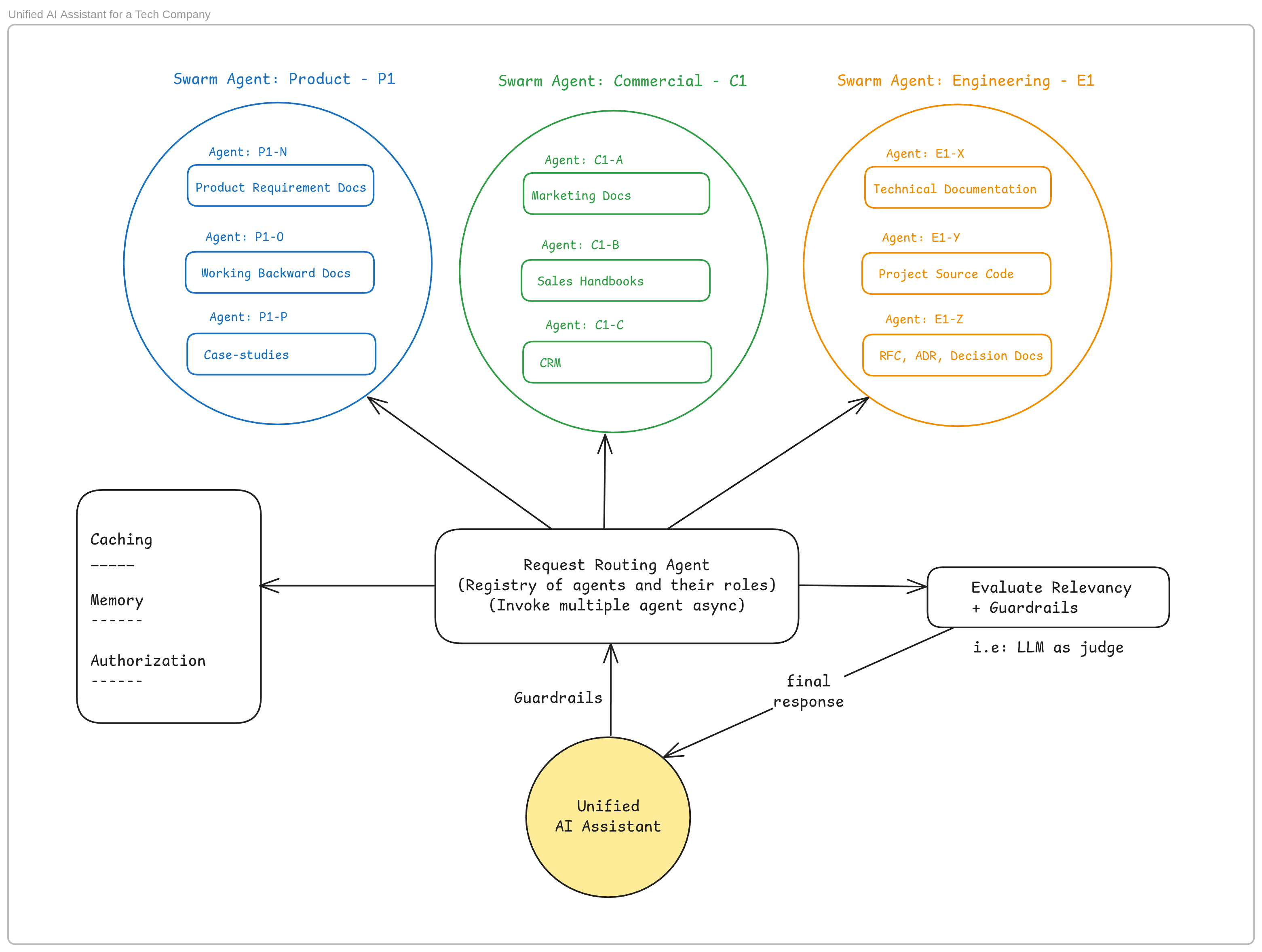
Learn how to build a unified AI assistant using specialized micro-agents for different departments, creating a collaborative swarm for enterprise information discovery.
Why selecting GenAI tools for an enterprise is challenging, and why building your own foundational capabilities might be the best approach for sustainable innovation.
Learn how the Model Context Protocol (MCP) enables AI models to access external tools and services, breaking free from their isolated environments to perform real-world tasks.